-
How To Improve Work Safety in the Textile And Hosiery Industry?
over 2 years ago
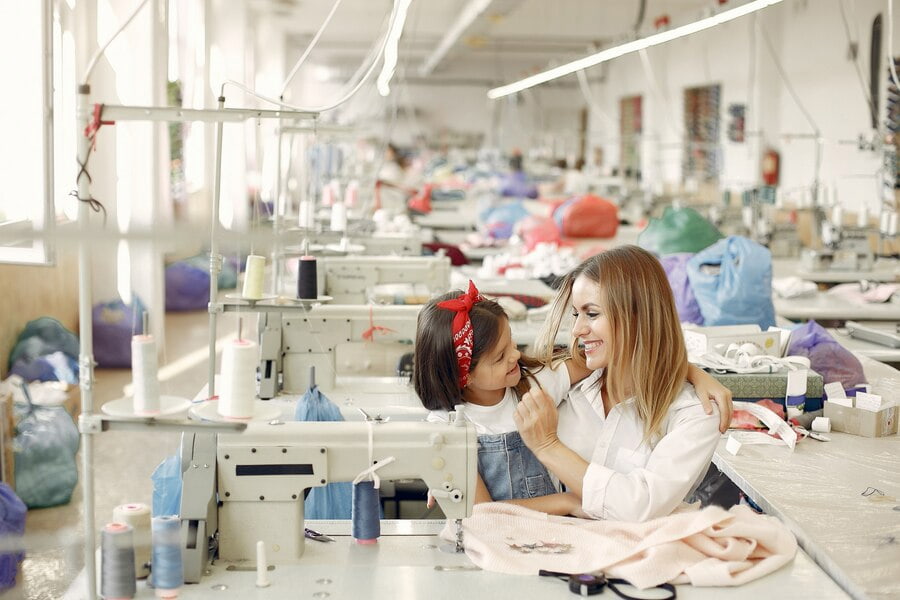
The world economy depends heavily on the textile & hosiery sector, which produces the clothes and textiles which are a part of everyday life. It does, however, come with inherent dangers and worker safety issues, just like many manufacturing industries. Improving worker safety in this sector is not just the right thing to do but also the legally and financially required thing. We will examine numerous tactics and initiatives to raise the security of employees in the textile and hosiery sectors in this extensive book. You should get in touch with T & A Textiles and Hosiery Company if you want to see what actual work safety is like.
Enhancing Security At Work
To address these safety issues in the textile and hosiery sector, an aggressive approach emphasising training, and preventive measures, along with a safety-first culture is needed. The following are some essential tactics to raise worker safety:
Always Report Dangerous Situations
Sometimes, employees are afraid to tell their bosses about specific dangerous situations and risks because they don't want to put themselves or anybody else in danger. It may raise the likelihood of an accident or injury occurring on the job, which is not favourable to a secure place of employment. To protect themselves and their coworkers, all employees are required to report dangerous conditions as soon as they become aware of them. As soon as a danger or hazard is discovered, notify the appropriate parties in a timely and efficient manner to help reduce the risk.
Give Appropriate Instruction
To increase safety, training is essential. Thorough training on safety protocols and equipment operation ought to be provided to all staff members, including supervisors & machine operators. Stress the need to use personal protection equipment (PPE) correctly, manage chemicals safely, and practise good ergonomics at work.
Invest In Protective Gear
Make that all employees have access to and are wearing the proper PPE and safety gear. These might involve dust mask, gloves, safety shoes, goggles, & ear protection. Place guards and other safety measures on machines to keep hands away from moving parts.
Take Pauses
Overburdened and fatigued workers are a liability at the office. Employees must take breaks to recuperate and rejuvenate before doing specific duties. Fatigued team members may prove dangerous since they can't concentrate fully on the task at hand, this might result in an incident or accident where they hurt someone else or themselves.
Chemical Oversight
To guarantee the safe transportation, storage, & removal of hazardous materials, put in place a chemical management system. Provide Material Safety Data Sheets (MSDS) for convenient reference and properly label all substances.
Never Omit A Step
Sometimes, employees are pressed for time and will omit processes to perform a task more quickly. In an attempt to do the task quicker, they could also not use particular devices or instruments correctly. At all costs, this ought to be prevented. Remind team members that after processes and procedures are the most secure course of action since they have been meticulously designed to eliminate any possibility of risk.
Keep Abreast With Any New Policies Or Guidelines
Make sure employees remain apprised about any new policies, processes, or equipment that may be implemented in the workplace. Workers must receive the appropriate training and instruction to help them comprehend what has to be done to prevent a possible incident. Empower employees to ask inquiries and contact their supervisors for additional assistance by fostering a supportive atmosphere.
Retain Appropriate Posture
It's critical to perform job duties with appropriate posture. This security precaution is simple to overlook when working on an activity that requires heavy lifting or even just sitting at a computer. Workers need to be aware of their posture since it may keep them from experiencing aches and pains as well as possible long-term damage to their shoulders, back, or neck.
Provide Direction To Recent Hires
Newer employees must constantly receive coaching from seasoned and experienced team members. Maintaining a solid basis of safety requires educating people about the organization's safety culture and the norms that it upholds.
Conclusion
Both employers and staff must be committed to the difficult task of improving safety at work in the textile and hosiery industry. The well-being of employees can be prioritised at the workplace by tackling the particular safety difficulties faced by the sector, putting in place thorough safety processes, offering suitable instruction, and promoting an atmosphere of safety. In addition to protecting workers, a safer workplace boosts morale, boosts output, and promotes long-term company success.
Visit findnerd for interesting more articles.


0 Comment(s)